


Welding robot technology is the application of industrial robot technology in the field of welding. It can control the action of welding end and welding process at the same time according to the pre-set program, which can be reprogrammed in different occasions. The purpose of its application is to improve welding productivity, improve quality stability and reduce cost.
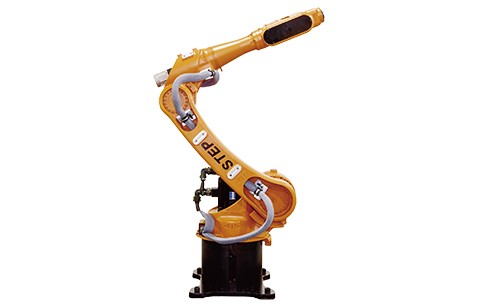
Welding robot technology is the application of industrial robot technology in the field of welding. It can control the action of welding end and welding process at the same time according to the pre-set program, which can be reprogrammed in different occasions. The purpose of its application is to improve welding productivity, improve quality stability and reduce cost.
Welding robot several trends and techniques
1, robot performance price: robot performance continues to improve (high speed, high precision, high reliability, easy operation and maintenance), and the price of a single machine continues to decline. With the rapid development of microelectronic technology and the application of large-scale integrated circuit, the reliability of robot system has been greatly improved.
2. Multi-agent control technology: This is a new field of robot research at present. This paper mainly studies multi-agent group architecture, mutual communication and negotiation mechanism, perception and learning methods, modeling and planning, group behavior control and so on.
3. Virtual robot technology: The role of virtual reality technology in robots has been developed from simulation and rehearsal to process control, such as making the remote robot operator feel that he is in the remote operating environment to manipulate the robot. Based on multi-sensor, multimedia, virtual reality and presence technology, virtual teleoperation and human-computer interaction of robots are realized.
High efficiency, automation, flexibility and intelligence are the development trends of welding robot system integration. They are experiencing the development of single-robot teaching regenerative to multi-sensing intelligent flexible robot workstations or multi-robot workgroups or even entire factory production lines. In the robot welding process, to ensure the stability of the welding process and welding quality, it is necessary to control the process. The number of parameters touched by robot welding process control, physical quantity and so on.
To measure these parameters requires not only a large number of sensors, but also a wide variety of sensors. From the perspective of application intention, sensors can be divided into two categories: the internal sensor used to measure the state of the welding robot itself and the external sensor installed on the robot for some operation (such as active tracking of the weld). The internal sensors include: azimuth, viewpoint sensor, speed, angular speed sensor, acceleration sensor, etc. External sensors include: visual sensor, force sensor, tactile sensor, proximity sensor, etc.
In order to ensure the quality of welding, the weld tracking sensor and penetration control sensor are also external sensors, among which the welding robot weld tracker we focus on.
The composition and working principle of welding seam tracker
Weld tracker alias welding tracker, weld tracking system, weld tracking equipment, etc. Its function is to automatically detect and automatically adjust the position of the welding gun in the welding process, so that it is easy to always follow the welding position for welding, the distance between the welding gun and the workpiece is always constant, so as to ensure the welding quality, improve the welding efficiency and reduce the labor intensity. If there is no weld tracker in welding, the welder should constantly observe the position of the welding gun, check whether the welding gun deviates from the weld position, the distance between the two has no change, if found to deviate from the weld or the distance between the welding gun and the workpiece changes, then the welder needs to manually adjust the welding gun back, so that the welder labor intensity is very large, Especially in the case of hot summer weather, and can not blow electric fans, these harsh conditions increase the labor intensity of the welder, in addition to the need for a strong sense of responsibility of the welder, otherwise there will be welding quality problems.
The composition of welding seam tracker: The welding seam tracker is mainly composed of three parts: mechanical adjustment mechanism (slide), welding position detection sensor and electrical control (controller). The sensor is used to detect the weld position in real time, and the controller is used to receive the signal of the sensor, and then after analysis and processing, the skateboard is driven to adjust the position of the welding gun. The skateboard is the electric regulating mechanical actuator.
The working principle of the weld tracker: the sensor detects whether there is any deviation in the weld position, and then sends the deviation signal to the controller, which drives the slide plate to adjust the position of the welding gun after analysis and processing. Metaphorically, sensors are the eyes of a welder, controllers are the brains of a welder, and skateboards are the hands of a welder.
Welding robot welding gun programming
In order to welding robots to get a good welding effect, in addition to hardware facilities, such as supporting robot welding gun, gun cleaning device and other equipment, good programming is also essential, good programming needs to pay attention to the following steps.
1. Select a proper welding sequence. To reduce the welding deformation, welding gun path length to establish the welding sequence.
2. Welding gun space transition requires short, smooth and safe moving trajectory.
3. Optimize welding parameters. In order to obtain the best welding parameters, working specimens were made for welding experiment and process evaluation.
4. Reasonable position of positioner, welding gun attitude, welding gun relative to joint position. After the workpiece is fixed on the aligning machine, if the weld is not the ideal position and Angle, it is required to constantly adjust the aligning machine when programming, so that the welding welding seam in accordance with the welding sequence to reach the horizontal position, at the same time to constantly adjust the position of the robot axis, reasonable determination of the welding gun relative joint position, Angle and length of the welding wire. After the position of the workpiece is determined, the position of the welding torch relative to the joint can be observed by the programmer's eyes, which is difficult. This requires programmers to be good at summarizing and accumulating experience.
5. Insert the gun cleaning program in time. After writing a certain length of welding program, should be inserted in time gun cleaning program. It can prevent welding splash from blocking welding flame and conductive nozzle, ensure the cleaning of welding gun, and improve the service life of the flame.
6. Programming generally can not be in place in one step, to constantly check and modify in the robot welding process, adjust welding parameters and welding gun attitude, will form a good program.
With the development of technology, people have higher and higher requirements for welding quality. Automated production needs to reduce manpower, improve product consistency, improve product quality, more suitable for large-scale production, reduce production costs, improve production efficiency. Of course, the advantages of welding robots go beyond that. With the continuous development of welding automation technology, welding robot instead of manual operation will be more and more obvious, which is also the future development trend. The use of welding robots to complete the welding work, can greatly improve the quality of products and corporate image, reduce labor costs to a certain extent, for enterprises, the choice of welding robots to replace manual, is undoubtedly the right choice!
Welding robot several trends and techniques
1, robot performance price: robot performance continues to improve (high speed, high precision, high reliability, easy operation and maintenance), and the price of a single machine continues to decline. With the rapid development of microelectronic technology and the application of large-scale integrated circuit, the reliability of robot system has been greatly improved.
2. Multi-agent control technology: This is a new field of robot research at present. This paper mainly studies multi-agent group architecture, mutual communication and negotiation mechanism, perception and learning methods, modeling and planning, group behavior control and so on.
3. Virtual robot technology: The role of virtual reality technology in robots has been developed from simulation and rehearsal to process control, such as making the remote robot operator feel that he is in the remote operating environment to manipulate the robot. Based on multi-sensor, multimedia, virtual reality and presence technology, virtual teleoperation and human-computer interaction of robots are realized.
High efficiency, automation, flexibility and intelligence are the development trends of welding robot system integration. They are experiencing the development of single-robot teaching regenerative to multi-sensing intelligent flexible robot workstations or multi-robot workgroups or even entire factory production lines. In the robot welding process, to ensure the stability of the welding process and welding quality, it is necessary to control the process. The number of parameters touched by robot welding process control, physical quantity and so on.
To measure these parameters requires not only a large number of sensors, but also a wide variety of sensors. From the perspective of application intention, sensors can be divided into two categories: the internal sensor used to measure the state of the welding robot itself and the external sensor installed on the robot for some operation (such as active tracking of the weld). The internal sensors include: azimuth, viewpoint sensor, speed, angular speed sensor, acceleration sensor, etc. External sensors include: visual sensor, force sensor, tactile sensor, proximity sensor, etc.
In order to ensure the quality of welding, the weld tracking sensor and penetration control sensor are also external sensors, among which the welding robot weld tracker we focus on.
The composition and working principle of welding seam tracker
Weld tracker alias welding tracker, weld tracking system, weld tracking equipment, etc. Its function is to automatically detect and automatically adjust the position of the welding gun in the welding process, so that it is easy to always follow the welding position for welding, the distance between the welding gun and the workpiece is always constant, so as to ensure the welding quality, improve the welding efficiency and reduce the labor intensity. If there is no weld tracker in welding, the welder should constantly observe the position of the welding gun, check whether the welding gun deviates from the weld position, the distance between the two has no change, if found to deviate from the weld or the distance between the welding gun and the workpiece changes, then the welder needs to manually adjust the welding gun back, so that the welder labor intensity is very large, Especially in the case of hot summer weather, and can not blow electric fans, these harsh conditions increase the labor intensity of the welder, in addition to the need for a strong sense of responsibility of the welder, otherwise there will be welding quality problems.
The composition of welding seam tracker: The welding seam tracker is mainly composed of three parts: mechanical adjustment mechanism (slide), welding position detection sensor and electrical control (controller). The sensor is used to detect the weld position in real time, and the controller is used to receive the signal of the sensor, and then after analysis and processing, the skateboard is driven to adjust the position of the welding gun. The skateboard is the electric regulating mechanical actuator.
The working principle of the weld tracker: the sensor detects whether there is any deviation in the weld position, and then sends the deviation signal to the controller, which drives the slide plate to adjust the position of the welding gun after analysis and processing. Metaphorically, sensors are the eyes of a welder, controllers are the brains of a welder, and skateboards are the hands of a welder.
Welding robot welding gun programming
In order to welding robots to get a good welding effect, in addition to hardware facilities, such as supporting robot welding gun, gun cleaning device and other equipment, good programming is also essential, good programming needs to pay attention to the following steps.
1. Select a proper welding sequence. To reduce the welding deformation, welding gun path length to establish the welding sequence.
2. Welding gun space transition requires short, smooth and safe moving trajectory.
3. Optimize welding parameters. In order to obtain the best welding parameters, working specimens were made for welding experiment and process evaluation.
4. Reasonable position of positioner, welding gun attitude, welding gun relative to joint position. After the workpiece is fixed on the aligning machine, if the weld is not the ideal position and Angle, it is required to constantly adjust the aligning machine when programming, so that the welding welding seam in accordance with the welding sequence to reach the horizontal position, at the same time to constantly adjust the position of the robot axis, reasonable determination of the welding gun relative joint position, Angle and length of the welding wire. After the position of the workpiece is determined, the position of the welding torch relative to the joint can be observed by the programmer's eyes, which is difficult. This requires programmers to be good at summarizing and accumulating experience.
5. Insert the gun cleaning program in time. After writing a certain length of welding program, should be inserted in time gun cleaning program. It can prevent welding splash from blocking welding flame and conductive nozzle, ensure the cleaning of welding gun, and improve the service life of the flame.
6. Programming generally can not be in place in one step, to constantly check and modify in the robot welding process, adjust welding parameters and welding gun attitude, will form a good program.
With the development of technology, people have higher and higher requirements for welding quality. Automated production needs to reduce manpower, improve product consistency, improve product quality, more suitable for large-scale production, reduce production costs, improve production efficiency. Of course, the advantages of welding robots go beyond that. With the continuous development of welding automation technology, welding robot instead of manual operation will be more and more obvious, which is also the future development trend. The use of welding robots to complete the welding work, can greatly improve the quality of products and corporate image, reduce labor costs to a certain extent, for enterprises, the choice of welding robots to replace manual, is undoubtedly the right choice!